- 10 Feb 2026
Catherine Carr
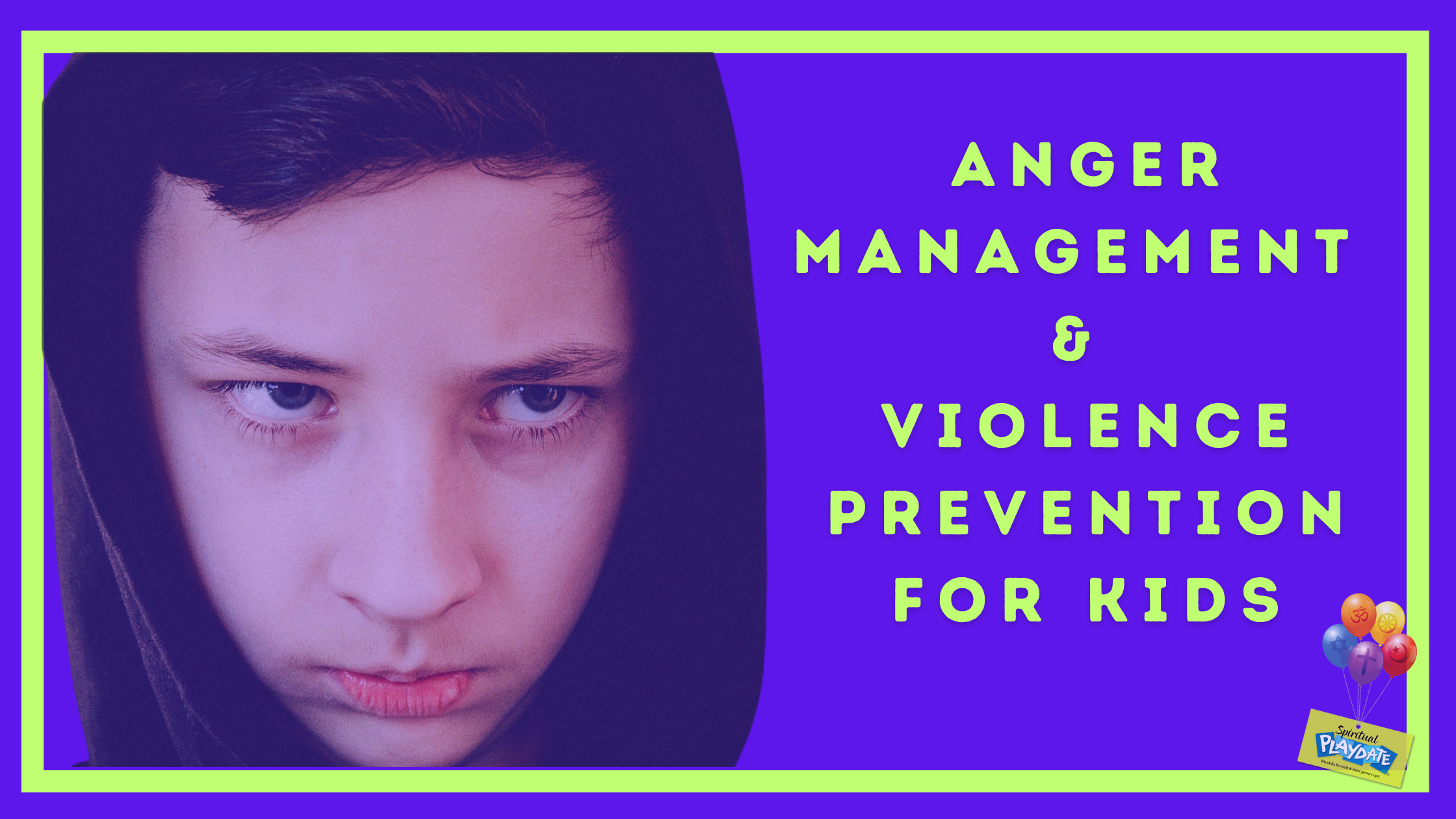
In these times, anger can feel like a fact of life. The adage, “Hurting people hurt people,” has never seemed more true. But, what if there was a way to alleviate the pain caused by the feeling that someone has wronged us? What if this method was easy to do at home, compatible with all world religions, and free to practice anywhere?
The method I’m describing is forgiveness. It’s what we at Spiritual Playdate embody in our Grudgy activity for kids, where we use a fun hands-on activity to illustrate the weight and discomfort of carrying anger around with us, and help our kids learn to lay these feelings down.
We focus on teaching kids forgiveness in a hands-on, physical way because we believe it’s easier to build strong kids with good life skills than it is to repair broken adults. Kids’ brains develop rapidly as they learn and grow, and the experiences they have in childhood can determine how their nervous systems, thoughts, and feelings behave for the rest of their lives.
The research showing the transformative effects of forgiveness didn’t just come from religious scriptures: it came from neuroscience labs around the world.
With advances in neuroimaging, scientists have learned that the same part of the brain that feels physical pain also activates when we experience injustice, rejection, and other forms of emotional pain. This is one reason why injustice and social rejection can be as damaging as physical violence, and it makes sense.
Human survival strategies only work when we’re part of a group. Individuals simply can’t perform all the needed functions for a human to survive. So threats to our place in our family or community can be as grave as physical threats to our survival. It makes sense that the brain would treat them just as seriously as sources of distress and discomfort that we must resolve in order to survive.
So how do we resolve these threats? One biologically hardwired way seems to be through revenge. If we can damage or remove the parties who have wronged us or attacked us, our brain thinks, then we will be safer. Neuroimaging also shows that people who have been wronged automatically begin fantasizing about revenge, and that the same reward and pleasure circuit that is activated in addiction is activated by revenge fantasies.
This reward circuit creates a drug-like craving for revenge, sometimes with intrusive thoughts about revenge or obsessive behavior. This circuit can even cause us to ignore negative consequences of revenge, because our brain is so concerned about getting back at or removing the person in our community who has harmed us. Sometimes our brain will even interpret other people as acceptable targets for revenge, if we see them as being part of the same group as the person who harmed us.
This might have helped our primate ancestors survive, but in the modern era of complex global societies and powerful weapons, it is deadly. One study conducted in Finland found that, in that country, half of all youth and gang violence was motivated at least in part by a desire for revenge. This is a common theme seen in societies around the world: from juvenile delinquents to national leaders and warlords, the idea that, “They hurt our feelings, so we must destroy them,” seems to be prevalent.
Can forgiveness really get rid of the pain others have caused us, and get rid of our desires for revenge along with the pain? If it can, what must we do to gain these benefits?
Here is where neuroimaging can help us again. By using tools like fMRI images to study brain activity, we can see what happens to emotions and feelings of physical pain when we simply imagine forgiving someone who has harmed us. That is exactly what scientists did in one study of 97 people in Italy.
In this study, participants were asked to imagine a randomly selected fictional scenario in which someone harmed them. They were asked to imagine it as vividly as possible, creating the realest possible response in their brains. Sure enough, areas related to physical pain as well as emotional distress lit up.
Participants were then randomly assigned to one of two groups: one was asked to imagine forgiving the person who had harmed them, while the other was asked to imagine what it would be like to not forgive them.
In the group that merely imagined forgiving someone who had wronged them, something magical happened. The pain signals in the brain disappeared entirely. So did the brain activity related to revenge motivation. For these people, it was as though the wrong done to them had never happened. They reported feeling lighter and happy after they imagined forgiving someone who had wronged them. The group that did not imagine forgiveness did not get the same benefits.
What this tells us is really interesting. It tells us that forgiveness really is for you, not for the person who has wronged you. According to this study, you don’t even need to tell the person who wronged you that you have forgiven them in order to gain the full benefits of forgiveness. Nor do they gain the same benefit from forgiveness that you gain as the party who has been wronged.
In a community setting, we can see how it might be healing for more than just the person who did harm and the person who harmed them to actively reconcile. We can see how this could enable the community to feel safer and stronger, and how it could help the person who did the harm to grow. But the benefits of relieving pain and extinguishing revenge cravings in the person who was harmed happen whether we make our forgiveness known and bring it to our community, or not.
Imagine what would happen if world leaders practiced forgiveness in this way. It certainly seems to be something we need to teach our kids, since some of the major dangers of adolescent violence appear to be driven by revenge cravings. From the streets to the halls of power, it is our responsibility as grown-ups to raise a generation who will know how to alleviate the pain of being wronged, and that acting from a place of pain and revenge only leads to more injustice.
Our Grudgy activity is designed to illustrate the feeling of relief from releasing a grudge by setting down a physical weight. We see how carrying this feeling around can limit us, even when we don’t realize it. And we see how freeing it can feel to let go. Adults can benefit from this activity too, though it’s designed to be fun and accessible for kids.
Childhood is the best time for children to learn to recognize the pain of anger and hurt in their bodies, and learn how to intentionally let it go through forgiveness. Children who make a habit of doing this early will find it easier to do for the rest of their lives. Through this kind of early childhood education, we can change the future of the world.
There is a reason why religious teachers from Jesus to the Buddha to indigenous traditions have taught that forgiveness is the first step to a better world. Only through forgiveness can we end the cycles of violence and truly make the world a more peaceful place.


SPD on Facebook
Follow Us
Links
Connect with us

© 2024 Spiritual Playdate. All rights reserved.